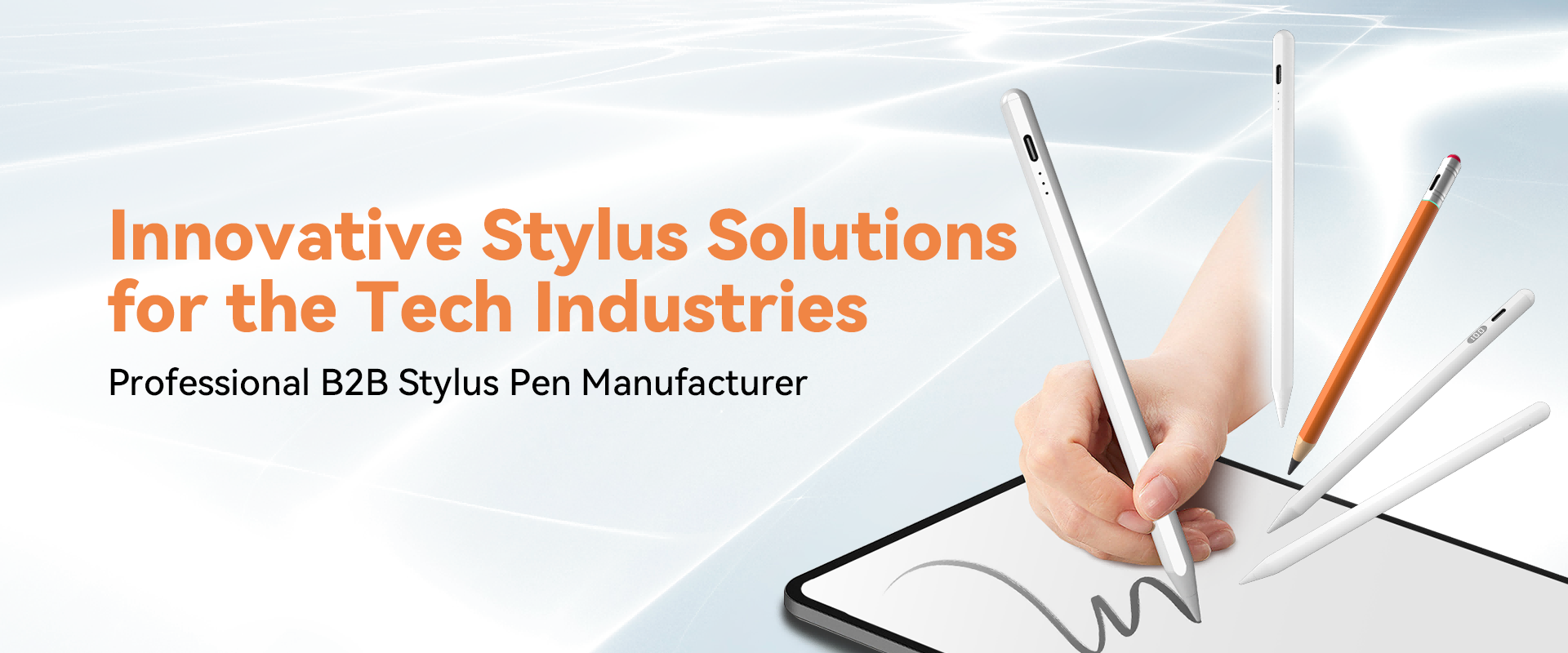
A supply chain inquiry regarding the development of the "AI Smart Pen" highlights a profound shift in the writing instrument sector: AI technology is reshaping pens from passive recording tools into perceptive, interactive cognitive assistants.
1. Functional Redefinition: From "Physical Recording" to "Cognitive Collaboration"
Traditionally, the value of a pen relied on ergonomics, ink flow, and aesthetic design. The subsequent wave of digital styluses and scanner pens merely translated physical strokes into digital bitmaps or vector paths.
The integration of Generative AI completely redefines this dynamic:
Real-time Context-Awareness: By embedding motion/pressure sensors and voice modules into the pen body, the pen evolves from a passive tool into an active participant capable of understanding drawing strokes, gestures, and voice commands.
From Tool to Co-Creator: When a designer sketches on paper, cloud-based AI can immediately analyze the input and provide real-time suggestions on silhouette, fabric options, or creative alternatives via voice or app displays. The pen becomes a tangible physical bridge connecting human creativity with AI compute power.
2. Deep Reshaping of the Traditional Pen Supply Chain
This paradigm shift presents both unprecedented challenges and opportunities for conventional pen manufacturers and hardware OEMs/ODMs:
Supply Chain Convergence: Traditional manufacturers previously focused on precision molding, mechanical structure, and ink formulas. Today, securing premium AI hardware deals requires integrating IoT microcontrollers, BLE/Wi-Fi modules, miniature acoustics (mics/speakers), MEMS sensors, and sensor-fusion algorithms.
Business Model Shift (Hardware + SaaS): Traditional pens represent a one-off transactional sale. Conversely, AI smart pens unlock a recurring hybrid model combining hardware sales, mobile app subscriptions, and cloud AI services, significantly extending customer lifetime value.
3. Industry Challenges and Practical Bottlenecks
While the vision of AI-powered writing instruments is compelling, real-world deployment faces three primary hurdles:
The Power vs. Form-Factor Trade-off: Integrating multiple high-drain sensors, wireless modules, and microphones into an ergonomic pen body creates severe thermal and battery life constraints.
High Upfront NRE Costs: Bridging the gap between an MVP concept and a seamless, low-latency production unit requires massive Non-Recurring Engineering (NRE) investments in firmware, custom PCB design, and multimodal AI API integration.
User Experience Balancing: Intelligently introducing voice and screen feedback without ruining the tactile purity and rhythm of writing on real paper remains a complex design challenge.
Conclusion
AI is not eliminating traditional pens; instead, it is unlocking a high-value evolutionary path for this time-honored industry. For hardware developers and manufacturers, the ability to seamlessly bridge physical hardware, embedded sensors, and cloud AI ecosystems will be the key differentiator in capturing the next wave of smart hardware innovation.