
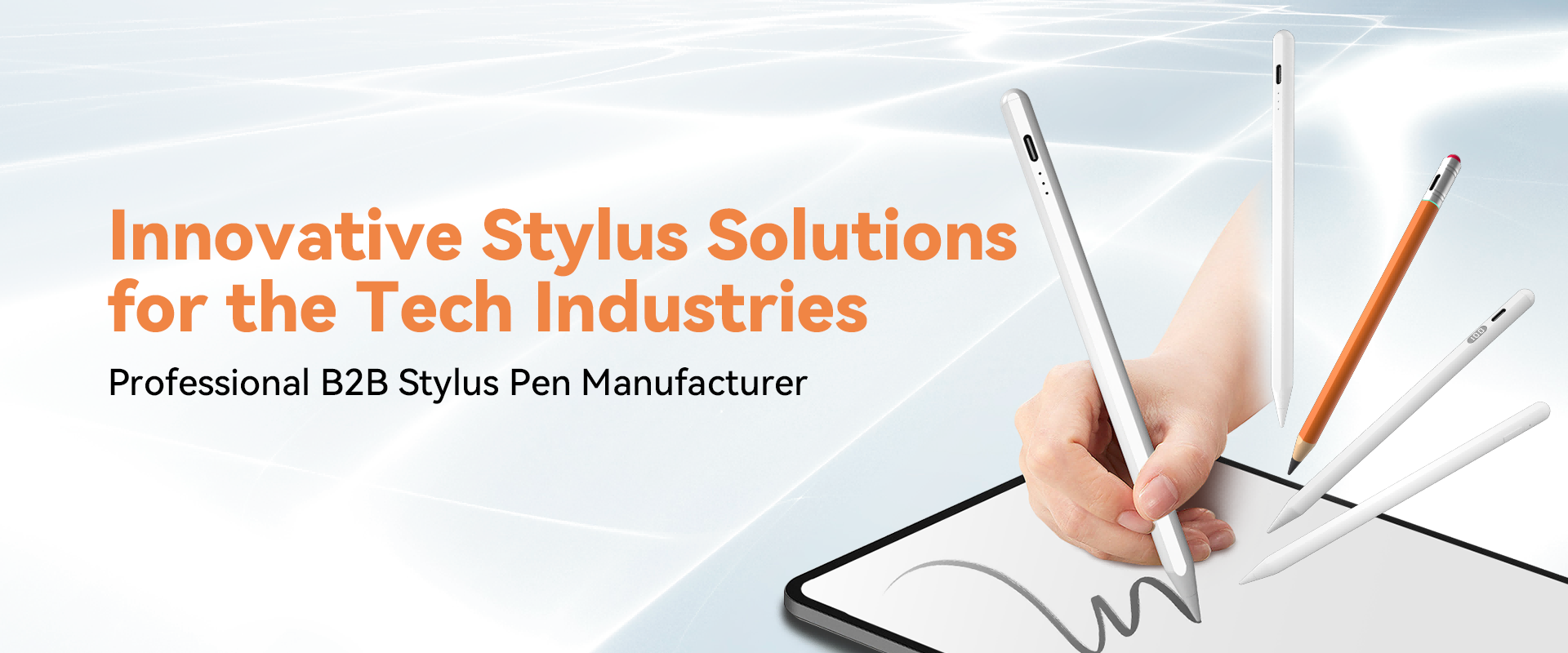

The active stylus industry is standing at a pivotal crossroads. For the past decade, the market has been driven by steady, predictable growth—primarily fueled by the expansion of digital education and the steady iteration of standard tablets. However, 2026 has brought a dual wave of disruption: Apple’s newly overhauled iPad ecosystem and the massive mainstream adoption of foldable smartphones.
For manufacturers, brands, and OEM/ODM partners, understanding these shifts is no longer optional—it is the key to survival and market leadership.
1. The 2026 iPad Lineup: Higher Protocols and Smarter Interactivity
Apple’s latest moves in 2026 have pushed tablet hardware to near-desktop capabilities. With Tandem OLED displays becoming standard across more models and advanced chipsets driving real-time AI features, the demands on the humble stylus have skyrocketed.
The Demand for Ultra-Low Latency: As 2026 iPads boast faster refresh rates and AI-driven predictive stroke rendering, standard passive or low-tier active pens no longer suffice. Users expect zero noticeable lag.
Deep Integration of "Find My" and Bluetooth Display: Independent tracking (like Apple's Find My network) and hardware status displays (such as battery and connectivity LEDs built directly into the pen body) have shifted from "premium luxuries" to "baseline user expectations."
MFi Certification as a Strict Gatekeeper: For third-party manufacturers, relying on basic reverse-engineered protocols is increasingly risky. Apple's stricter ecosystem integration means that genuine MFi licensing is critical to avoiding compatibility issues with the latest iPadOS updates.
2. The Foldable Phone Boom: A Massive New Frontier for Compact Styli
If the iPad is refining the stylus market, foldable smartphones are exponentially expanding it. By 2026, foldables have transitioned from fragile luxury novelties to durable, mainstream daily drivers. As these devices open up to reveal 7.5 to 8-inch canvases, they naturally demand stylus input—but with a completely different set of technical requirements.
The Soft-Screen Challenge: Foldable internal displays utilize Ultra-Thin Glass (UTG) or advanced polyimides, which are inherently softer than the rigid glass on tablets. The industry is seeing a massive surge in demand for soft, micro-cushioned, or retractable pen tips that prevent screen scoring while maintaining high-pressure sensitivity.
Portability & Miniaturization: Unlike iPad users who carry tablets in bags, phone users keep foldables in their pockets. This has triggered a design race for ultra-thin, "chopstick-style" styli that can either slot directly into phone chassis or attach magnetically without adding bulk.
Cross-Platform Agility: Consumers in 2026 increasingly own mixed ecosystems (e.g., an iPad for work, a foldable Android phone for personal use). This is driving massive demand for dual-protocol or multi-device active pens that can switch frequencies seamlessly between different operating systems.
3. Strategic Implications for Stylus Manufacturers and OEM Partners
For B2B players and factory partners, these two market drivers are rewriting the manufacturing playbook:
Shift Toward High-Value OEM/ODM
The era of competing solely on the lowest price for basic capacitive pens is drawing to a close. The high-margin opportunities now lie in advanced engineering: developing haptic feedback, integration of complex anti-lost modules, and precision molding for ultra-slim profiles.
Strict Compliance and Diverse Certification
To capture the global education and enterprise markets alongside these hardware shifts, holding a diverse portfolio of certifications is paramount. Manufacturers must be equipped to offer USI 1.0/2.0 for the Chromebook education sector, Apple MFi for the premium consumer market, and global safety standards (FCC, CE, RoHS) to ensure smooth cross-border shipping.
Sustainable and Smart Material Innovation
With the expansion of foldable phone screens, research into self-lubricating, durable tip materials (like specialized POM or elastomeric composites) has become a primary competitive differentiator.
Conclusion
The convergence of Apple’s sophisticated 2026 iPads and the exploding foldable smartphone market is a net positive for the stylus industry—but only for those agile enough to adapt. It is shifting the market away from a "one-size-fits-all" accessory model toward a highly fragmented, highly specialized ecosystem of precision input tools. Brands that partner with technologically advanced, certified, and forward-thinking manufacturers will find themselves holding a massive competitive advantage in this new era of digital ink.